Pricing transparency is one of the biggest barriers homeowners face when considering commissioned work. Mass-produced furniture carries clear price tags at every retailer, while custom pieces require a conversation about materials, construction methods, and design complexity before any figure can be quoted. The result is a hesitation that often pushes buyers back toward factory furniture, even when their actual needs call for something built specifically for their space. Understanding what drives custom furniture cost and where the real value sits allows buyers to evaluate quotes confidently and decide whether commissioned work belongs in their project.
The Real Difference Between Custom and Mass-Produced Furniture
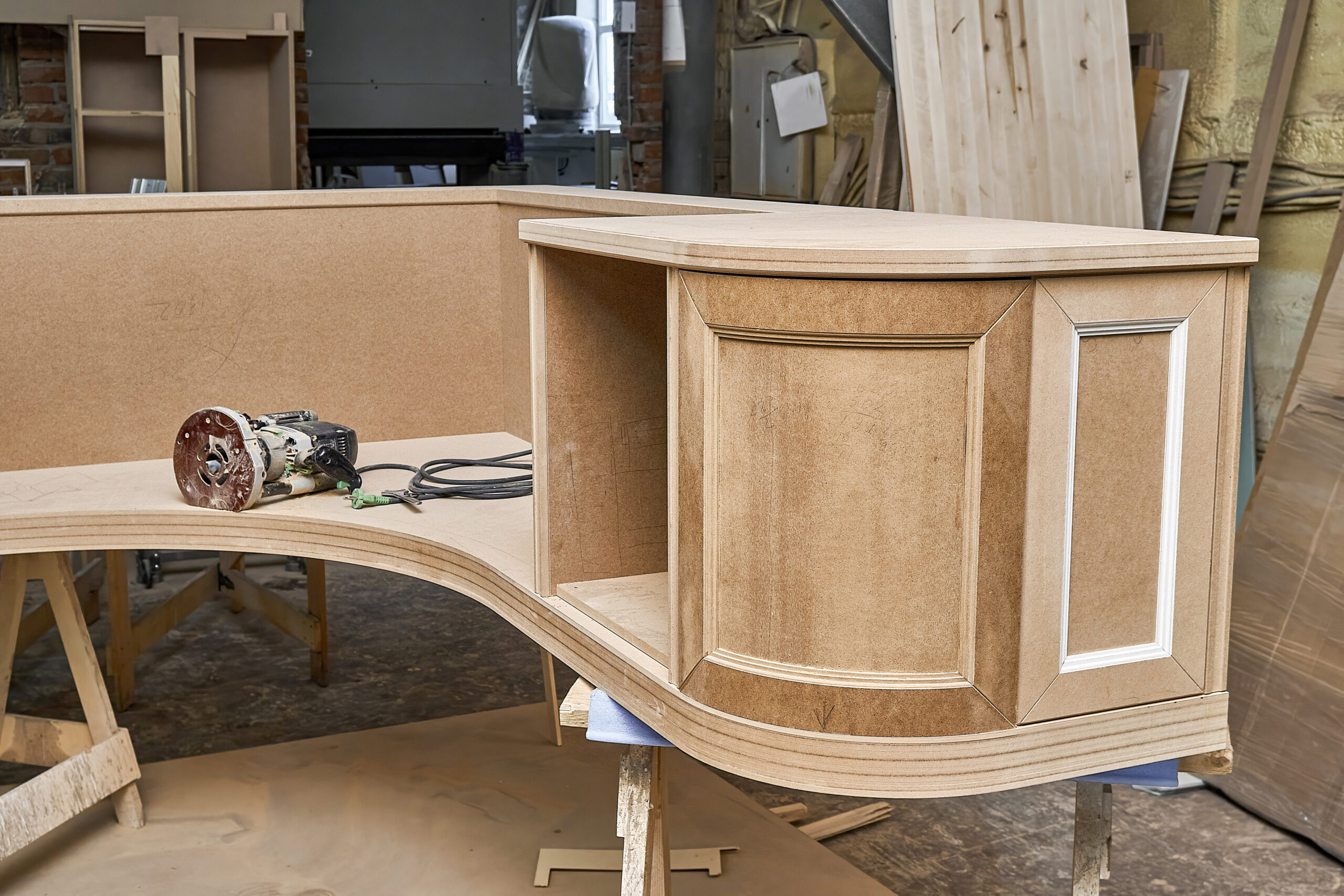
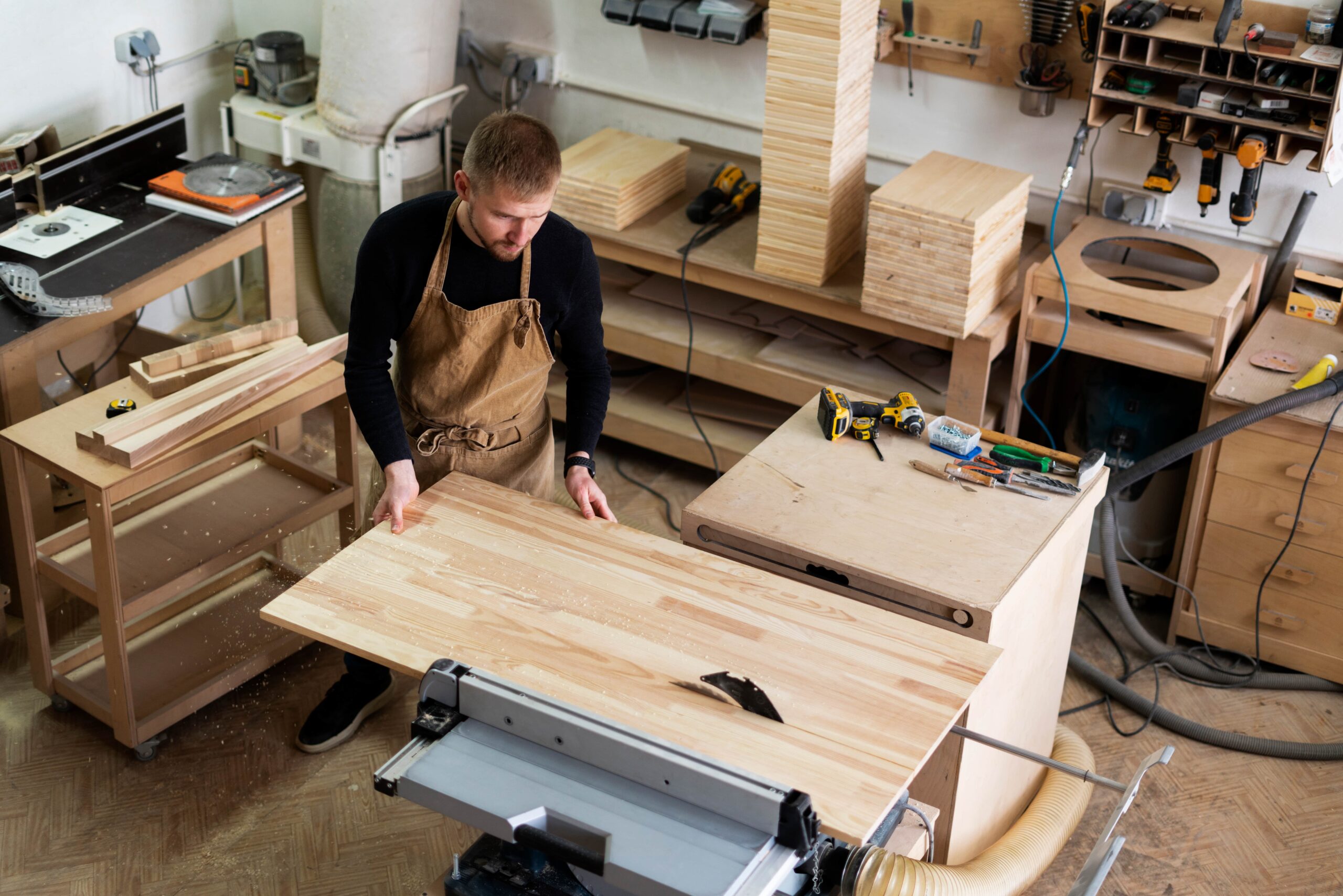
Factory furniture is priced around production efficiency, with thousands of identical units flowing through automated lines using engineered materials and standardized hardware. The economies of scale keep prices low, but the construction quality reflects those economies. Custom work follows a different operational model entirely. Each piece is built one at a time by skilled craftspeople using solid materials, hand-selected lumber, and joinery techniques that take hours rather than minutes to execute properly.
Why Does Custom Furniture Pricing Vary So Widely?
Custom furniture pricing reflects a long list of variables that factory furniture simply does not account for. Two dining tables with similar dimensions can carry dramatically different price tags based on the species of wood, the joinery method, and the finish process used. The shop building the piece also affects the final number. A solo craftsman operating from a home workshop carries different overhead than an established studio with full-time staff, climate-controlled spaces, and warranty programs backing every commission.
The Main Factors That Shape Custom Furniture Cost
When customers ask for an honest breakdown of what drives pricing, we walk through the same set of considerations on every project. These elements determine the final quote more than anything else, and understanding each one helps buyers see exactly where their investment is going.
Wood Species and Material Grade
Lumber pricing varies significantly between species. Hard maple and white oak sit at one end of the range, while walnut, cherry, and specialty hardwoods carry premiums that reflect their availability and finished appearance. Within each species, board grade also matters since clear vertical grain costs more than character grade material with knots and figure.
Construction Method and Joinery
A table held together with screws and dowels takes a fraction of the time required for traditional mortise and tenon joinery used by Grain Designs. The construction approach directly affects how long a piece lasts and how it carries weight over decades of use. Hand-cut dovetails on drawers, mitered corners, and floating tenons all add labor hours that show up in the final number.
Size and Structural Complexity
Larger pieces consume more material and require more shop time to mill, assemble, and finish. A ten-foot dining table or a wall-length built-in cabinet system involves logistics, structural engineering, and installation considerations that smaller projects skip entirely. Complexity in the design also affects every stage of production.
Finish Process and Surface Treatment
Finish work often accounts for a larger share of custom furniture cost than buyers expect. A high-quality finish involves multiple sanding stages, color matching, and protective coating layers that each require drying time and careful handling. Hand-rubbed oil finishes, lacquer applications, and specialty stains all carry different time investments.
Hardware and Specialty Components
Soft-close drawer slides, solid brass pulls, custom hinges, and integrated lighting all influence the bottom line. Quality hardware lasts decades and operates smoothly throughout that time, which is why we specify components that match the longevity of the piece itself.
How the Cost of Custom-Made Furniture Compares to Premium Retail Brands
Buyers often assume custom work costs significantly more than high-end retail furniture, but the comparison rarely works out that way. Premium retail brands carry substantial markups to cover showroom space, marketing budgets, and distribution networks, and the construction quality at that price point still relies on standardized production. The cost of custom-made furniture often lands within the same range as premium retail, while delivering solid wood construction, traditional joinery, and a piece designed for the exact space it will occupy. The value comparison becomes obvious once buyers see the construction details side by side.
Handmade Furniture Cost Reflects Hours of Skilled Labor
Handmade furniture cost is driven heavily by the labor required to execute each piece properly. A skilled woodworker may spend forty to a hundred hours on a single piece depending on its complexity, and that time translates directly into the final price.
This labor investment is also what gives commissioned work its longevity. Pieces built with proper joinery and quality materials routinely last for generations, which changes how buyers should think about cost over time rather than as a one-time purchase.
Custom Wood Furniture Cost Ranges by Project Type
- Solid wood dining tables start in the low thousands and climb with size and species
- Coffee tables and side tables range from several hundred to a few thousand dollars
- Bedroom furniture, like dressers and beds, typically falls in the mid thousands
- Built-in cabinetry and entertainment units pricing per linear foot of installation
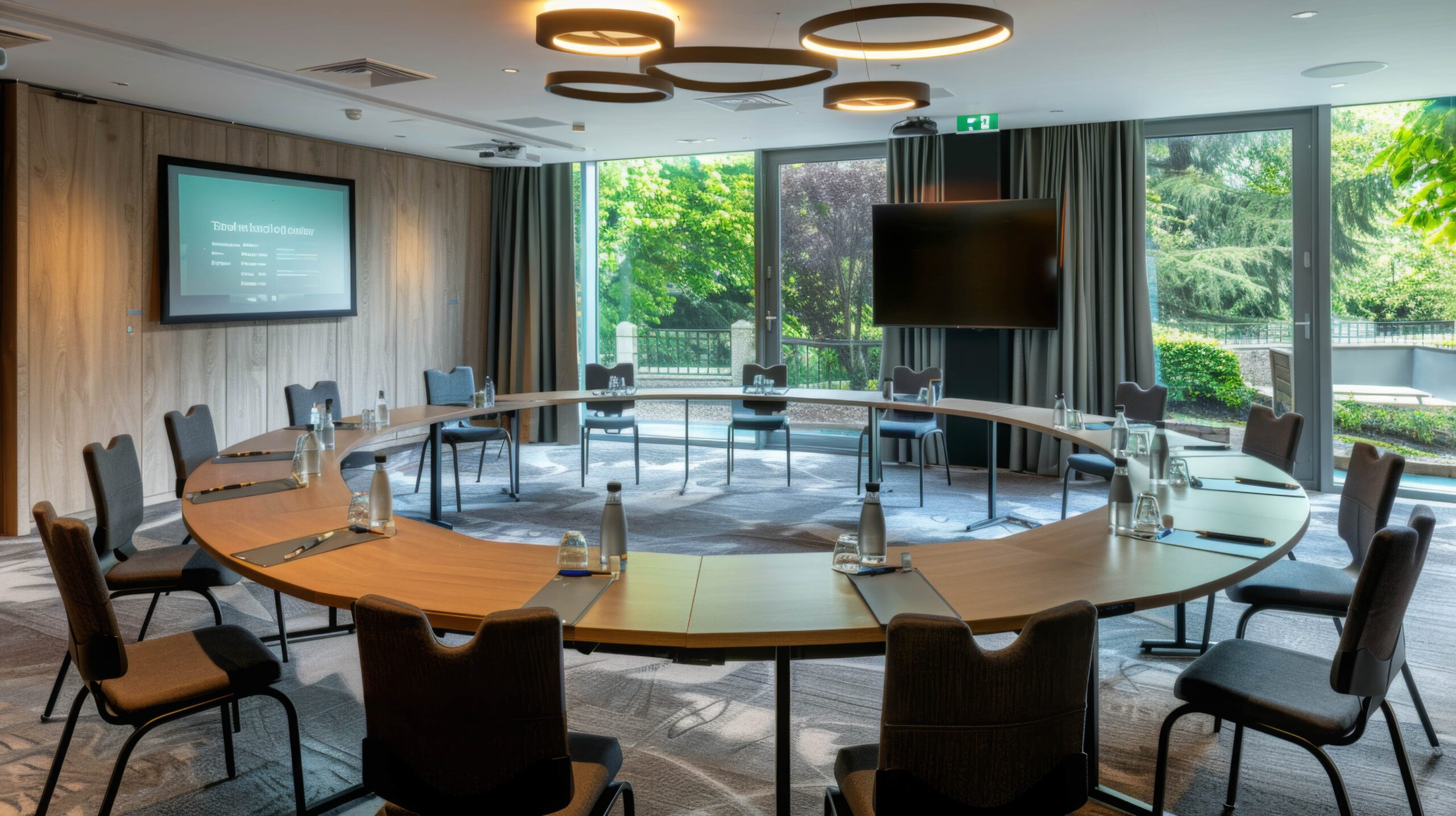
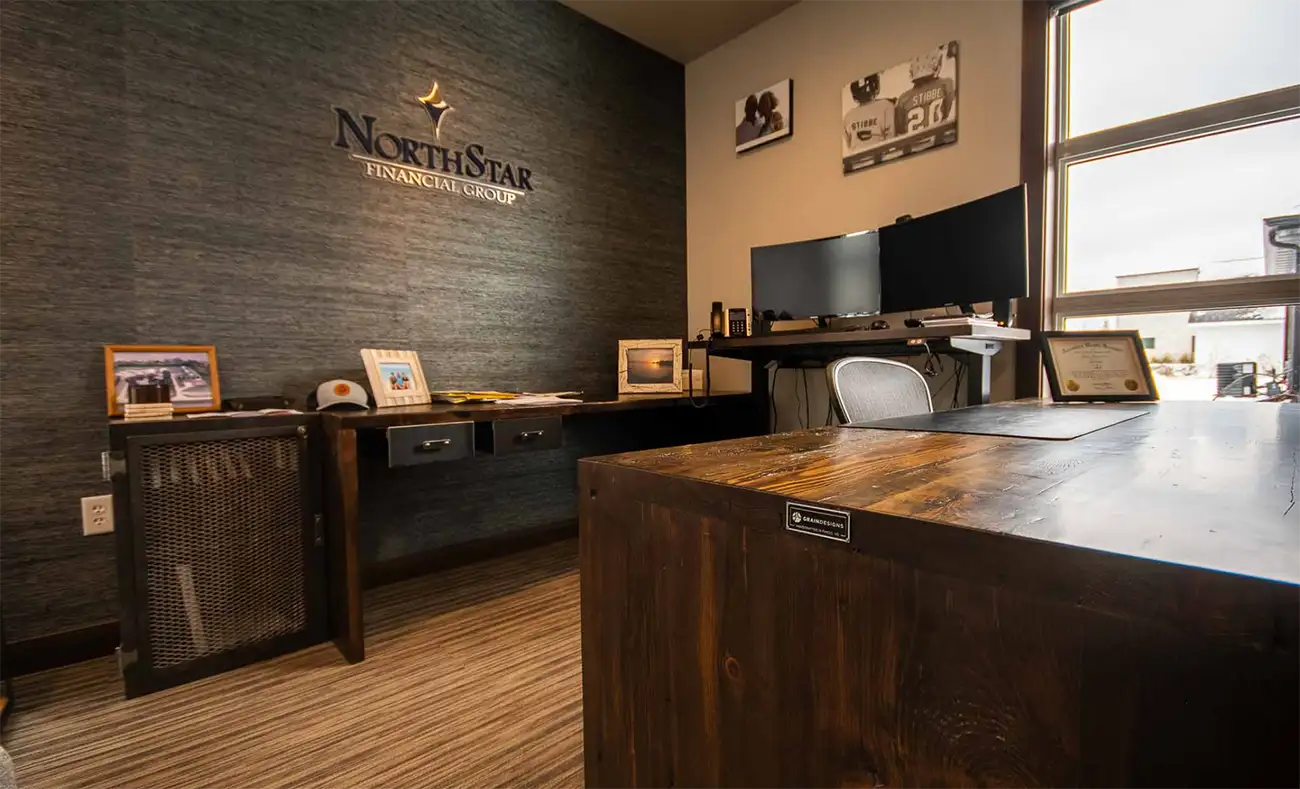
- Office desks and conference tables vary widely based on size and storage features
What Buyers Should Expect During the Quoting Process
A professional shop walks buyers through design conversations, material selection, and shop drawings before issuing a final quote. This consultation phase protects both sides because it prevents misunderstandings about scope, finish, and timing.
At Grain Designs, we treat the quoting process as part of the design work itself. The team takes the time to understand how the piece will be used, where it will live, and what aesthetic the client wants before committing to a number.
Get a Clear Custom Furniture Cost Estimate for Your Project
Custom work deserves a clear conversation about materials, design, and budget before any quote takes shape, and the right shop walks you through every variable upfront. Reach out to our team to discuss your project and receive a detailed custom furniture cost estimate built around the piece you actually want, with the craftsmanship and reliability your space deserves.